
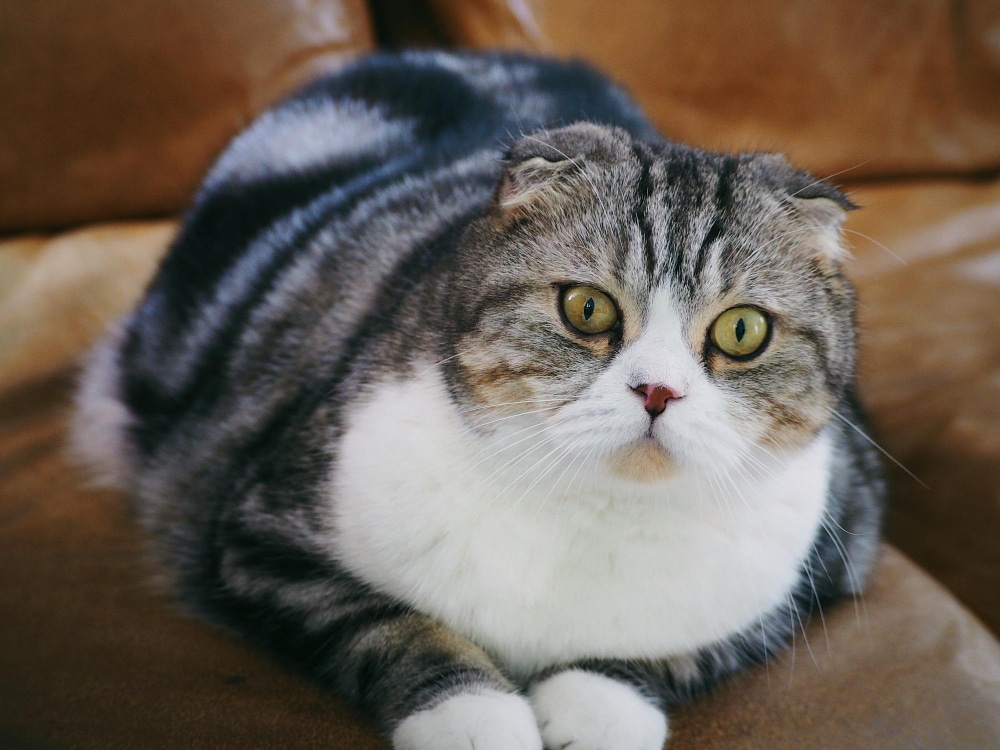
Pet Obesity Day is two-pronged. Firstly, it’s about helping overweight pets get back to their ideal weight. Secondly (these can be in any order, really) it’s about approaching your pet’s diet in the best way to prevent unhealthy weight gain in the first place!
Even if your pet is in perfect health and condition now, it doesn’t harm to educate yourself around pet obesity. That way, you can implement preventative measures as they age or if you start seeing a little bit more bulge than you’d like on your dog or cat.
In this article

When is Pet Obesity Day?
Pet Obesity Day is an annual pet awareness day on the second Wednesday of every October.
Pet Obesity Day is on 11th October 2025.
Pet Obesity Day is a day that’s dedicated to raising awareness around the risks involved with pet obesity. It’s a great excuse to take a good honest look at your pet’s weight and condition, then come up with a plan if they need to shift a few kilos.
Why do we need a Pet Obesity Day?
We all love our pets. Whether you’re a dog person or a cat person, it’s a given you want the best for them. Yet, a 2025 study has found that 40% of dogs in New Zealand are overweight or obese. It’s estimated that 20% of cats are overweight and obese obese. And the problem is growing.
Pet obesity can lead to other illnesses
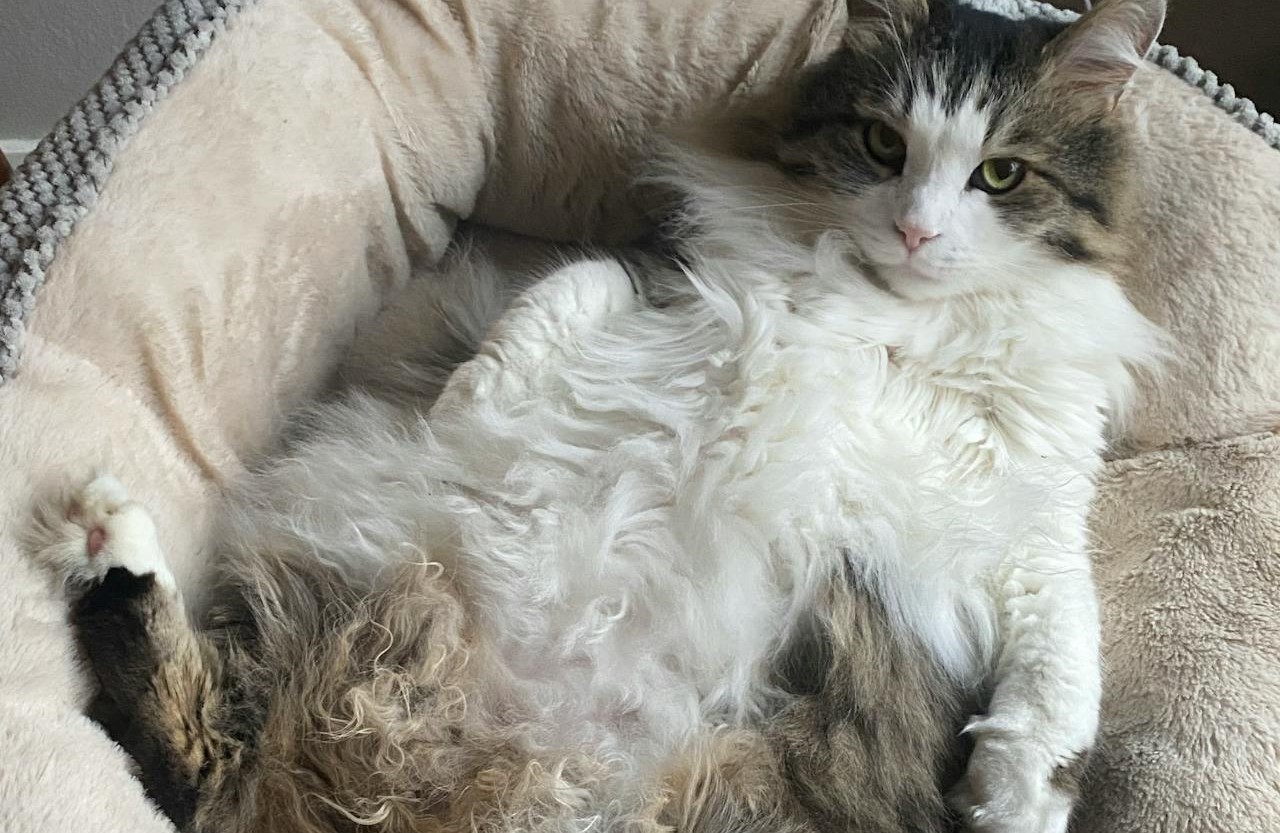
A pet being overweight isn’t cute, even though you might enjoy the chubby photos. An overweight pet can become an obese pet before you know it.
Overweight pets are likelier to experience a host of health issues, including:
- Cancer
- Cardiovascular disease
- Kidney dysfunction
- Orthopedic disease (read about how weight gain can contribute to IVDD in Dachshunds and other dogs)
- Osteoarthritis
- Chronic inflammation
- Diabetes (read how obesity leads to diabetes in dogs and cats)
- High blood pressure
- Reproductive disorders
Being overweight doesn’t just shorten your pet’s life – it can make their everyday life less enjoyable, too. They might struggle to move around, get tired faster when playing, and be more prone to other health problems.”
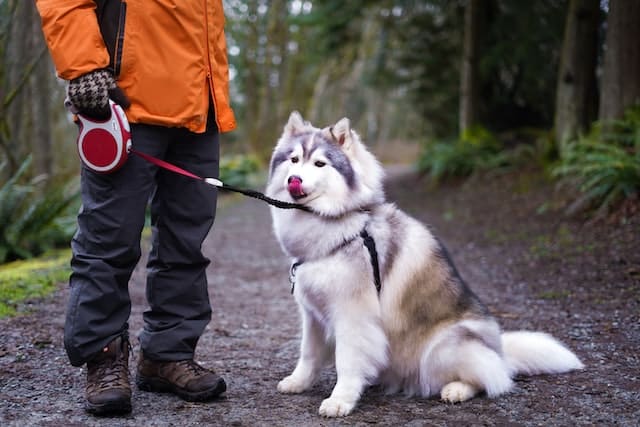
Pet obesity advice from a vet
We spoke to vet Dr Joanne Lonergan for advice on pet diet and keeping your pet at an ideal weight. She says it’s quite common for vets to encounter overweight or obese pets. But that doesn’t mean the knock-on effects are any less heart breaking.
But the good news is, it’s not irreversible.
This Pet Obesity Day, there are four main ways Dr Lonergan suggests you can treat (and/or prevent) weight gain and obesity in pets. Besides knowing the average cat weight and dog weight for your pet’s breed and height, of course.
1. Stop eyeballing portions when it comes to your pet’s diet
Just like with humans, one of the key facets of weight management is ensuring you exercise portion control.
Make sure you’re either consulting with a vet or following the guidelines of the food manufacturer. But remember, you need to feed your pet a diet based on their ideal weight, which you can calculate using an online tool or by talking with your vet. Don’t feed an overweight pet based on their actual weight, as they’ll be in a calorie surplus!
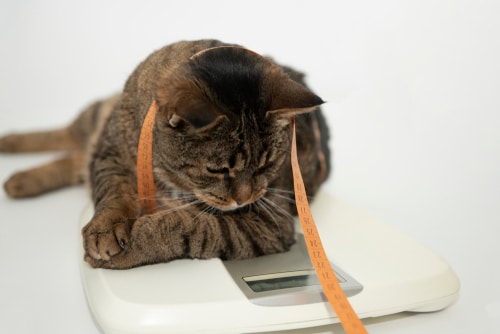
Dr Lonergan mentions something that we think almost all pet owners are guilty of: measuring their food by eye. You may start off weighing your pet’s food, but we tend to quite quickly measure by eye – using a cup or even just filling the bowl until it looks about right.
As Dr Lonergan says, “our eyes can be pretty bad at assessing the correct amounts.” So, you should either use a proper feed scoop or a set of scales for your pet’s diet. You might be surprised at how much you’re giving your cat or dog.
2. Don’t forget the treats
This is yet another Pet Obesity Day principle which could apply to humans too.
That occasional handful of nuts, glass of wine, bread before dinner at a restaurant, or dressing on a salad quickly adds up. Even if you don’t really “count” it as part of your daily diet. The same goes for overweight pets. Those biscuits, bits of meat from your plate, or snatched up dropped chips all count towards their daily calories.
If you feel mean when you don’t give in to those pleading eyes or pitiful meows, you’re not alone. After all, it’s a great way to bond with your pet and everyone wants to treat their loved ones.
However, Dr Lonergan explains that “you don’t have to stop giving your pets treats” but need to “be mindful of what you’re feeding them.”
In fact, she says her own dogs are very good at begging their way to an extra treat!
Plus, you don’t have to go with the high calorie treats. Plenty of cats and dogs will be pleased with a piece of carrot or apple, or a little lean meat or fish. That way, you can give more regular treats than you would if you were feeding them fatty things like cheese or pork, for example.

3. Be honest about exercise
If you can practically hear your pet shouting “I AM in shape! Round is a shape!” it might be time to address their exercise levels this National Pet Obesity Day.
Getting enough exercise is crucial to your pet’s health, as well as their weight management.
- Puppies and kittens. When pets are very young, it’s important not to overdo exercise as you risk straining their bones and joints too much. But it’s still important they get those steps in. Read about the best puppy games to play to find out how much and what types of exercise puppies should be doing.
- Grown up pets. Once your dog or cat is an adult, they’ll need regular exercise. How much they require is largely individual. Some breeds need more exercise than others, and some pets who have less daily stimulation might require more exercise than another pet of the same breed, for instance.
- Breed specific. A Border Collie needs tons of exercise to stay healthy and happy, whereas a Pug or Bulldog needs far less. Cats tend to have less variation in exercise needs than dogs, but still make an effort to play with them. Or even take your cat for walkies – here’s how to train a cat to walk on a leash, if you think you’d both enjoy it.
4. Don’t shy away from weight issues
Finally, Dr Lonergan says you have to be open and accepting in order to do better by your pet. It’s easy to feel offended or be defensive if a vet brings up your pet’s weight. Pet Obesity Day is a helpful reminder for all pet owners to check their pet’s weight, though your vet will likely bring it up at any time of the year if they feel there’s a problem.
It might seem hurtful at first, but when you consider the consequences of overweight pets, tackling the problem really is an expression of love. If you feel bad or guilty about your pet being overweight, don’t go into denial. Try to see past that and use your emotions as fuel for a more proactive approach to your pet’s weight management.
More tips to balance those scales
There are plenty of important actions you can take, many of which are fairly simple, to help prevent obesity it pets.
Here are a few guidelines:
- Helping a fat dog lose weight
- Maintaining positive dog gut health
- Understanding puppy food and pet nutrition
After you’ve read these, also watch our Pet Care vlog with from Dr Cath Watson to avoid letting treats triumph:
Safeguard with pet insurance
Do you want to recognise National Pet Obesity Day this year? We hope these vet tips have been useful, even if it’s about something as simple as how to portion your pet’s servings.
Even with the right pet diet and lifestyle, accidents and illness can still happen. Having pet insurance can help you cover those unexpected vet bills, lightening the load on your pet and pocket.
Get hassle-free cover with PD Insurance and you could get 1 MONTH FREE! Click below to get a quote.