

Routine pet care isn’t just a great way to spend time with your new puppy or kitten. That’s right, things like dental care, grooming and exercise (to name a few!) can be part of preventive health care for our dogs and cats.
Not only that, but bathing a new puppy or brushing his or her teeth is also a way to train them to let you look at their ears, mouth and paws. This sets them up for easier vet visits and home checks when you suspect they’re not feeling well or need to give them medication, for example.
In many ways, routine pet care is a magic tool in your arsenal for giving your pet their best life. From tick and flea prevention to grooming, here’s the routine care that you should commit to for that new addition to your family.
In this article:
- What is routine pet care?
- At a glance: routine pet care for a new puppy or kitten
- Does pet insurance cover routine pet care?
- Why preventive health care for dogs and cats matters
- Preventive health care essentials for a new puppy or kitten
- Grooming and routine maintenance
- Diet and exercise
- More than maintenance: helping pets thrive
- Planning for unexpected vet costs
What is routine pet care?
Routine pet care refers to all the regular health, grooming and wellness activities that help keep your pet healthy and reduce the risk of health issues creeping in. For a new puppy or kitten, this includes vaccinations, parasite prevention, dental care, grooming, exercise, nutrition and routine vet checks.

At a glance: routine pet care for a new puppy or kitten
Routine pet care includes vaccinations, flea and worm prevention, dental care, grooming, regular vet check-ups, exercise and a balanced and nutritious diet. These preventive health care measures help reduce the risk of illness and support your pet’s long-term wellbeing.
For most new puppies and kittens, routine care starts from the day they come home and continues throughout their lives – just like your bond!
Does pet insurance cover routine pet care?
Since PD is a pet insurance specialist, you’re probably wondering if routine pet care is covered by pet insurance. And that’s a great question to ask.
Pet insurance for unexpected vet costs
While pet insurance covers a broad range of vet treatments for accidents, illnesses and third party liability (damage caused by your pet to other people or their stuff), it’s not designed for routine pet care.
Why is this?
- Planned costs. Routine pet care is something you can typically plan for when getting a pet. You can do your research and find out the real price of owning a new pet. You’ll obviously tailor your research to your pet (cat vs dog) and their needs (adopted vs new pedigree puppy) and their breed (a breed specific diet and exercise goes a lonnng way!).
- Unplanned costs. Pet insurance on the other hand is for all those costs you really can’t anticipate. In other words, it’s for emergency pet care. If your puppy gets caught up in a swinging door and breaks a bone, or your cat swallows a string, for example, then having pet insurance can help with treatment, X-rays, hospitalisation and more.
At PD Insurance, we sometimes see claims arising from preventable conditions and delayed diagnosis. While not every illness can be avoided, routine vet care is one of the most effective ways pet owners can support their pet’s long-term health.

Why preventive health care for dogs and cats matters
Preventive health care for dogs and cats is all about reducing the risk of disease before it develops. While even the most super pet parent can’t prevent every accident or illness, routine care helps you spot any pesky health issues sooner. This could mean the difference between nipping it early versus potentially higher vet treatment costs down the line.
For a new puppy or kitten, preventive care creates healthy habits from the start and gives your vet a valuable baseline for monitoring growth and development. That’s teamwork bringing up a happy, healthy and well-balanced fur baby.
Preventive health care essentials for a new puppy or kitten
Whether yours is a new puppy or kitten or maybe grown-up hound or meow, you’re in the right place for some great routine pet care know-how. Here are some ship-shape tips:
Vaccinations
Vaccinations are quite literally one of the most important parts of routine pet care for a new puppy or kitten. Especially for preventable, infectious diseases like kennel cough and feline immunodeficiency virus (FIV).
In New Zealand, your vet will recommend a vaccination schedule based on your pet’s age, lifestyle and any other risk factors. Once puppies and kittens are weaned, the in-built immunity they got from mum’s milk begins to fade and this is when vaccinations step in to build their ongoing immunity.
- Dogs. For dogs, protection against diseases like parvovirus, for example, is often essential. Especially if they’re going to puppy school, pet boarding or doggy daycare.
- Cats. For cats, vaccinations may help protect against diseases including feline calicivirus, feline herpesvirus and feline immunodeficiency virus (FIV) to name a few.
Vaccinations also count for more than preventive health care for dogs and cats. That’s because keeping them up-to-date is good for your pet insurance cover. If your dog or cat develops a condition that could have been prevented through vaccination, claims may only be valid if vaccinations are up-to-date.
Watch this video if you’d like to learn more about the treatment of FIV in cats.
Flea and tick prevention
Fleas aren’t just a summer problem! Even in winter, buildings and houses are often kept warm. That’s great news for us and our paw-tners in crime, but equally good news for those pesky fleas. They love heat.
Although flea eggs (often found in carpets and furnishings) can hatch and irritate your pet in winter, in summer the problem worsens. And they’ll irritate you too. Fleas know no bounds between human and pet. 😞
Health problems
Other than them being a bit gross, fleas can cause significant health problems. Firstly, there’s the itching, scratching, and skin conditions (a common claim type!) associated. But did you know they can also cause anaemia in pets? It might surprise you that flea anaemia can even be fatal.
Although ticks pose less of a problem here than in Australia, cattle ticks can still attach to your pet and cause dermatitis and discomfort. On rare occasions, paralysis ticks have been found on dogs in NZ too.
Treatments
While ticks are a lower risk, tick and flea treatment in NZ is often bundled together – it doesn’t harm to take preventative action for both. There are loads of these treatments available nowadays and they come as tablets or liquids; take your pick. The drops to be placed on the back of the neck are especially easy to administer. Adding such treatments to your routine pet care is key to stopping these pet pests.
You’ll probably find you’re administering a treatment every three months or so. When doing so, be very careful to give the correct dose for the size of your pet.
ADDED TIP Make sure your dogs and cats are on an appropriate tick and flea schedule for their region. Best talk to your vet about what’s appropriate for your fur baby’s individual circumstances.

Routine pet dental healthcare
Regular dental care isn’t just for humans. Routine pet care should definitely include dental health and check-ups.
Common issues
Most pet owners don’t do this, but plaque and tartar build up can cause problems. What problems, you ask? Well, you know that stinky dog or cat breath? It might be caused by bad dental hygiene!
Pets can also develop gingivitis, tooth decay, gum disease and even abscesses. Gum diseases can lead to infections which have wide reaching effects from liver problems to heart murmurs.
Routine pet dental care
Pet owners should clean their pets’ teeth at least once per day with a toothbrush and pet-friendly toothpaste. In addition, dogs and cats should have their teeth cleaned professionally at least annually (but sometimes as often as every 3-6 months, depending on your pet).
ADDED TIP It’s important to start this early in life to prevent avoidable dental problems from cropping up. Your vet dentist can guide you on when to start these treatments, as well as how often you need to do them.
Worming
Worms are a common problem for cat and dog owners. Both are prone to picking up these parasites and there aren’t always obvious symptoms. It’s important that you worm your new puppy or kitten regularly as these parasites live in the intestinal tract and can make your pet very sick if left untreated.
Some of the most common types of worms are roundworms, tapeworms, hookworms, lungworms and whipworms.
Your new puppy or kitten will normally need worming every three weeks until they are six months old. After six months old, they can usually be treated every three months. If your cat regularly catches mice or birds though, you might need to worm them more often.
Most wormers nowadays can treat both roundworms and tapeworms at once. You’ll find them in topical (applied at the back of the neck usually) and oral (given to your pet to eat) forms. Your vet will be able to advise you on the best choice for your pet.
Grooming and routine maintenance
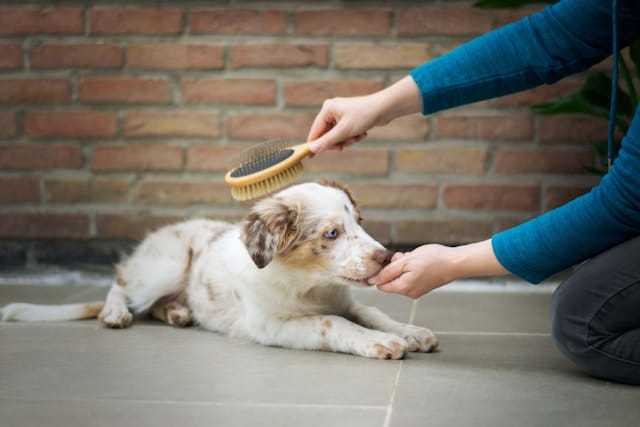
Your new kitten or puppy will need a bit of beauty care too! But not just for vanity. Though, could you blame their beautiful faces for wanting a bit of sprucing up from time to time? Some grooming might be for aesthetics, but basic grooming is usually a necessary part of routine pet care.
- Healthy claws. Your pet’s nails for instance, need to be regularly inspected. Some pets have lifestyles which require minimal trimming and clipping of their nails. For example, if you have indoor cats (your cat-scratched couch is probably cringing right now), dogs who don’t go outside too often, or older pets, they might need to have their nails trimmed.
Smaller dogs also tend to be more likely to need their nails trimmed than larger dogs. Keeping nails or claws short and well-maintained will keep your pet comfortable. Find out about what to do if your dog gets a broken dew claw (thumbnail) and why it’s so serious.
- Fewer furballs. It’s also good to keep an eye on your pet’s coat condition. Both cats and longer haired dogs usually enjoy a good brushing, which will stop them from getting matted hair which could cause skin problems. Brushing could also help you spot an errant grass seed – read about the risks of grass seed infection!
Unlike cats, dogs can have regular baths, which is also a good time to check them over thoroughly for any sores or lumps and bumps.
Read why the answer to ‘can I shave my dog?’ happens to be a ‘no’! Tempted to bath your cat? Find out why we suggest you don’t give your cat a bath most of the time.
And while you’re at it, speaking of beauty care, check out our 10 ways to pamper your cat.

Diet and exercise
One of the most important aspects of your pet’s routine health care is diet and exercise. Think of this as the basis that their health depends on – preventive care for your dog or cat that will lessen the chance of other health conditions developing in the future.
Exercise
If you have a dog, check out their dog exercise requirements by breed and how much exercise a dog needs to determine how much activity they should be getting.
- Dogs. Then, teach your puppy to walk on a lead so you can take them out safely. If walking isn’t your thing, check out these ideas for exercising dogs without walking.
- Cats. While you can sometimes train a cat to walk on a lead, they’re fairly self-sufficient when it comes to exercising. So good in fact, that catios are a good way to keep them AND our precious wildlife safe simultaneously.
Healthy balanced diet
Secondly, you want to ensure you’re covering pet nutrition. That means preferably choosing pet food specific to your cat or dog’s breed and age. Speak to your vet about a pet food they recommend, as the sheer volume of food on the market can be overwhelming.
New Zealand has a pet obesity problem, and it’s not much fun for our dogs and cats. According to research, over a quarter of Kiwi canines are overweight (26.1%), with a further 2.3% being grouped as obese.
Obesity can lead to diabetes, arthritis and heart disease. But the good news is that it’s preventable.
Preventive health care for dogs and cats can be supported by good nutrition (along with a solid exercise routine – especially for dogs). You may want to feed them kibble or a raw food diet, for example.
For cats, you may want to go with dry cat food vs wet food. Both may be fine as long as you’ve done the research and know the reasons it would work best for your pet. Find out more pet food insights with Royal Canin and Purina.
VET TIPS Dr Sally Cory from Healthy Pets NZ shares other preventive health care tips for cats and dogs in our article on World Pet Health Month.

More than maintenance: helping pets thrive
Lastly, we should note that having a healthy and happy pet is more than just providing routine pet care maintenance. Like us, dogs and cats need a nurturing and a safe, stimulating environment to really thrive.
Playing with your new canine or kitten, cuddling them, providing them with enriching toys and activities, training them and giving them plenty of attention will all add to this. Just as it’s important to provide babies with love, preventive health care for dogs and cats includes making them feel loved and safe.
They also need comfortable, safe places to rest and relax. Like us, pets thrive on love, praise and affection. And, as all pet parents know, they give back so much in return.
A new puppy needs vaccinations, flea and worm prevention, dental care, grooming, regular vet visits, a balanced diet and appropriate daily exercise. These routine care activities form the foundation of preventive health care for dogs.
A new kitten needs vaccinations, parasite prevention, regular health checks, dental care, grooming and age-appropriate nutrition. Starting these routines early can help support lifelong health.
Most healthy adult pets benefit from at least one annual veterinary check-up. Puppies, kittens and senior pets may require more frequent visits depending on their age and health needs.
Most pet insurance policies are designed to help cover unexpected accidents and illnesses rather than routine care costs. Always check your policy wording and coverage options.

Planning for unexpected vet costs
Even with excellent routine pet care, accidents and illnesses can still happen. That’s why it’s important to know where your nearest emergency vet clinic is and why having a pet plan in place can be good for your pet and pocket.
“If we didn’t have pet insurance one of our dogs would not be alive as it gave us the freedom to spend money we would not have been able to afford.”
– PD customer and survey respondent, Human-Pet Bond Survey
How pet insurance can help
PD pet insurance doesn’t just have to be for accidents. Our comprehensive pet insurance offers you the option to include cover for illness with up to $20,000 in annual cover. A great idea is to research your pet’s type and/or breed to see what health issues can be common. That can allow you to choose the most suitable plan early on for a lifelong umbrella.
As the pet people, PD is one of the few insurance providers that doesn’t include co-payments. That means you’ll get 100% reimbursements for eligible vet bills, less your selected excess.
Want to know how much a premium will be for your cat or dog? It’s easy! Simply get a quick quote below.